| Bhutan
- Ethnic Groups & People |
 |
Bhutan People Layaps |
|
Bhutan Information |
|
|
 |
|
Layaps
more vulnerable to STD, HIV/AIDS
|

|
The
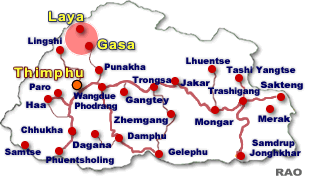
small Layap community of a little more than 800 people that live
in the northern borders of remote Gasa dzongkhag are at enormous
risk of contracting sexually transmitted diseases and HIV/AIDS,
according to study report by the health sector.
 |
| "All
the risk behaviours that increase HIV transmission are highly prevalent
within the nomadic community," a health ministry spokesperson said. |
|
 |
"Although
HIV has not been detected in the community a high sexually transmitted
infection (STI) level is a signal of unprotected sex with multiple
partners. The
high risk of STI prevalence is proven by the high rate of RPR (laboratory
test for syphilis) among the samples tested."
 |
| According
to the study both males and females have multiple partners, extramarital
sexual practices were rampant, promiscuity was reported both among males
and females although it was more among males, sexual experience began by
the age of 15 and night hunting was an accepted practice leading to multiple
partners. |
|
As
very mobile people both within and outside the country there was an increased
risk in contracting HIV, the study states.
The
study adds that while one third of the respondents had excellent knowledge
of condoms the use of it was almost nil.
The
study interviewed a total of 40 respondents, 19 females and 21 males aged
between 15 to 45 years.
Health
officials say that aggressive strategies are necessary to bridge the gap
of knowledge and practice of less risky sexual behaviour. Condom promotion
programmes should be strengthened and condoms made easily available.
 |
| "In
the era of HIV the threat to the existence of the community deserves closer
attention," said the health spokesperson. "But all intervention programmes
must be designed with the participation of the community. Their views and
values should be respected."
The
UNFPA goodwill ambassador, Her Majesty Ashi Sangay Choden Wangchuck, leaves
today for Gasa, Laya, and Lingshi on a two week advocacy campaign on HIV/AIDS,
reproductive health, and drug abuse. |
|
Meanwhile,
the number of HIV/AIDS cases in the country has reached 74 of which 39
are male and 35 female. Of the total 17 have died.

|
| This
article was contributed by Rinzin Wangchuk, KUENSEL, Bhutan's National
Newspaper, 2005 |
|
The
UNFPA goodwill ambassador, Her Majesty the Queen, Ashi Sangay Choden Wangchuck
|
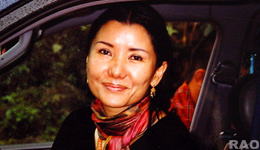 |
| Her Majesty the Queen Mother, Ashi Sangay Choden Wangchuck |
| September
/October 2005 |
| The
UNFPA goodwill ambassador, Her Majesty the Queen Mother, Ashi Sangay Choden
Wangchuck, has made a two week advocacy campaign on HIV/AIDS and reproductive
health in the remote northern regions of Lingshi, Gasa and Laya.
During
the tour Her Majesty met with the local people and expressed her deep concern
on the community's high risk of contracting HIV/AIDS. Her Majesty said
that the northern regions were frequented by many groups of people accompanying
tourists and at the same time the local people were frequently interacting
with people across the northern borders. |
|
| Information on Bhutan |
|
| Links |
|
 |
|
External
links |
|

















